-
Best Practice: Differing Site Conditions Are an Owner Risk Before They Become a Contractor Claim
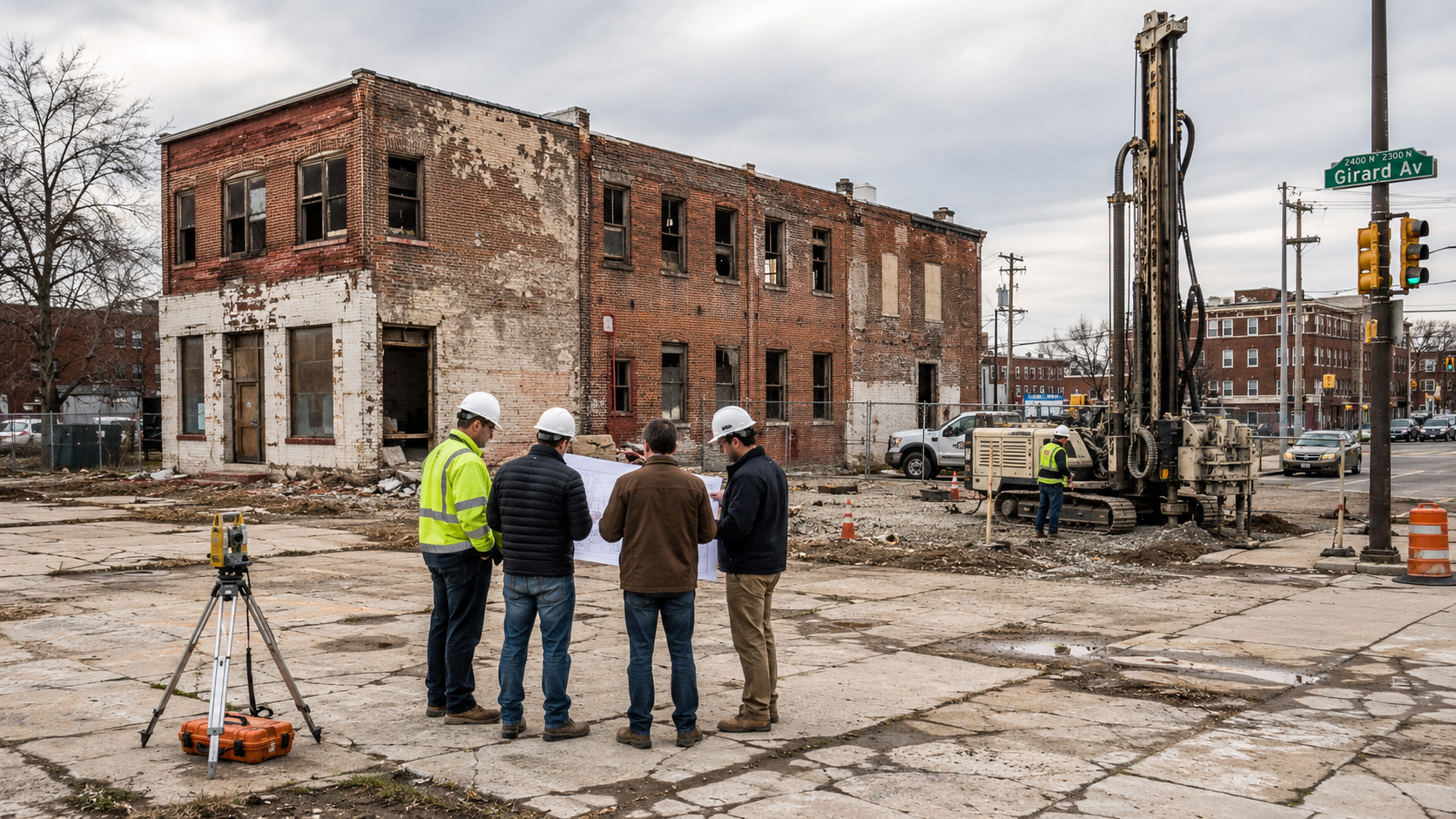
I was recently contacted about a site in Philadelphia. The owner had purchased a corner lot at a prominent intersection. The site had clearly been developed before. In its current condition, it had a large concrete pad and two dilapidated buildings connected to each other. The owner’s plan was simple. Demolish what is there and…
-

Commentary – Owner Financing Clauses in Construction Contracts Are Not Boilerplate
Most owners overlook this construction contract risk In a recent contract review, I found a redline that should concern every owner, project manager, and procurement professional. The contractor had taken the owner’s obligation to provide evidence of financial arrangements and turned any breach of that clause into a material breach. That is not a small…
-

Commentary: Why “Go Slow to Go Fast in Construction” Is Procurement’s Job Now
Over coffee the other morning, I was reading a Lexology article on construction disputes. It echoed something I wrote on my own blog almost two years ago. We keep learning the same lesson: every time we skip a step, we buy trouble later. You hear the phrase “go slow to go fast in construction” more…
-

Best Practice: Why Reusing Old Liquidated Damages Clauses Puts Owners at Risk
For private owners, liquidated damages clauses are meant to manage schedule risk. But when those clauses are recycled from old contracts (written for different projects, markets, and risk profiles) they can become unenforceable. Worse, they can backfire at the exact moment you need them most. The Problem: Familiar Language, New Risk Liquidated damages clauses appear…
-

Industry Watch: Documentation Before Rework Is a Discipline, Not a Legal Tactic
I’ve lost count of how many times I’ve walked a site, seen a condition that clearly needed corrective work, and heard a project leader say, “Let’s just fix it and be done.” There’s a natural urge to get a bad condition behind you. I get it — you’re protecting budget, schedule, and reputation. But the…
-
Industry Watch: Why Owners Must Treat Prompt Payment and Holdback Reforms as Strategic Risks — Not Just Legal Mandates
On a recent capital program call, an owner asked — “Are prompt payment laws really going to affect us?”The short answer: not just if you’re in Canada — but soon enough if you manage cross-border capital projects. Recent Canadian reforms aren’t isolated legal quirks. They reflect a global shift toward shorter payment timelines, stricter holdback…
-

Industry Watch: Prompt Payment Laws in Construction — Recent Cases Owners Can’t Ignore
On a Massachusetts project, an owner thought it was “just” behind on paperwork. Instead, a court found it had breached the Prompt Payment Act, deemed seven applications approved, and ordered payment of more than $4.6 million — before the owner’s own claims were even heard. That’s exactly what happened in the Tocci Building Corp. v.…
-

Industry Watch: Rethinking Contract Risk, Beyond Schedule-Based Liquidated Damages
I have reviewed many construction contracts over the years.Most of them focus on dates and delay.Very few speak to the risks that cause the greatest harm to owners. Problem and Context A recent Lexology article on data center construction risk offers a strong introduction to liquidated damages, force majeure, and indemnity. It is a useful…
-

Industry Watch: AI in Construction Disputes Is Only the Beginning
The construction industry rarely moves first with new technology. It waits.It watches.Then it adopts, carefully, and usually late. That’s why a recent announcement from the American Arbitration Association’s International Centre for Dispute Resolution (AAA-ICDR) deserves attention. Not for what it solves today, but for what it signals next. AI is no longer staying on the…
-

Industry Watch: Employment Compliance Is Becoming a Procurement Risk — Not Just an HR Issue
Employment compliance has quietly moved from the back office to the jobsite. Owners are starting to feel it.Contractors are starting to worry about it.And procurement teams are increasingly being asked to manage the consequences. New employment verification requirements, combined with heightened enforcement activity, are changing how commercial construction projects should assess risk before contracts are…