
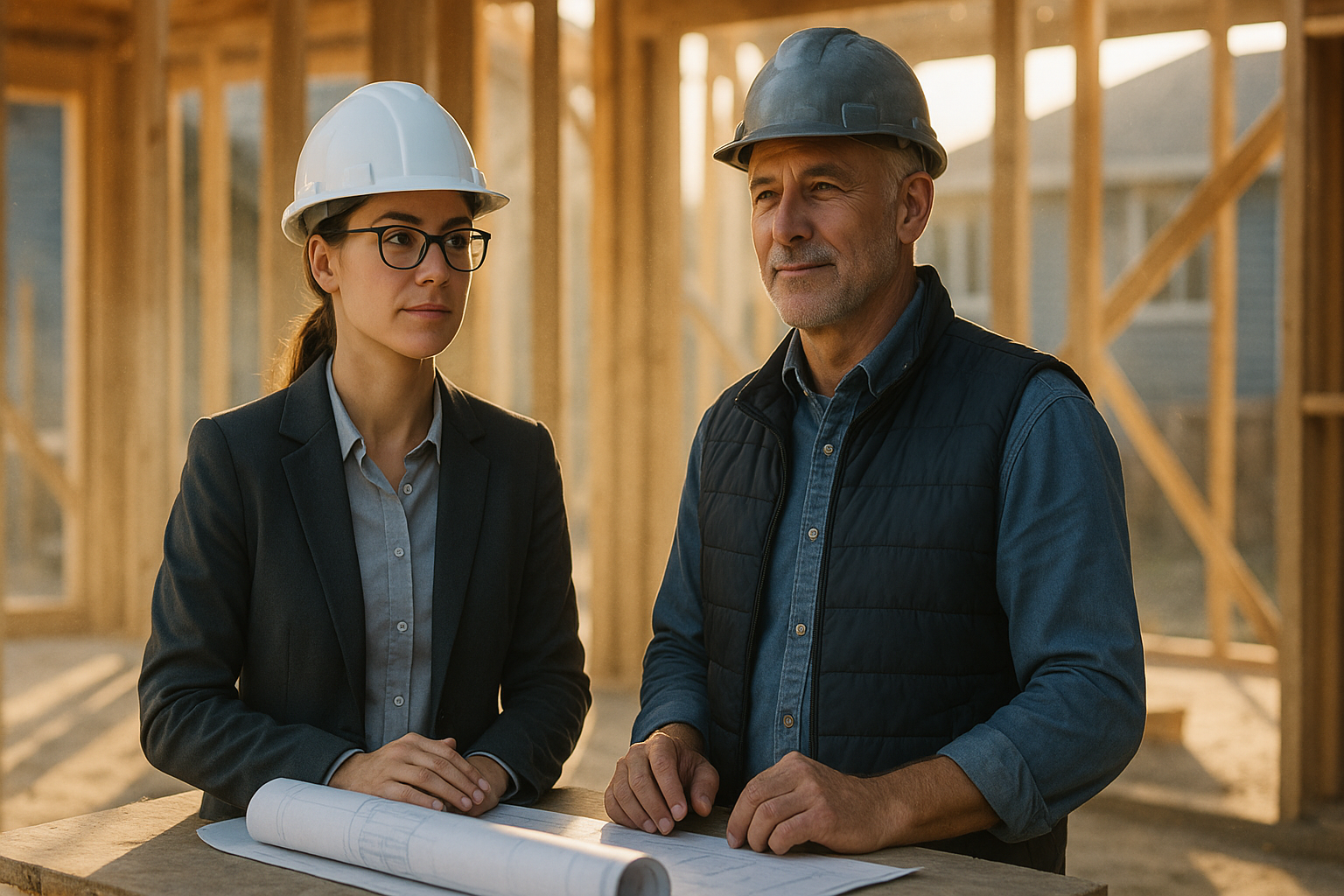
A friend of mine recently took on a small renovation at his home.
Beautiful concept. Straightforward scope. The kind of project most architects enjoy.
But within weeks he was embroiled in conflicts over schedule, cost, and contractor direction — the exact issues his architect refused to engage in. What should have been a simple renovation became a steady drip of stress, arguments, and uncomfortable conversations.
With an owner’s rep in place, none of that would have landed on him.
Why This Matters (Especially for Architects)
Architects carry an enormous amount of implicit responsibility on projects — often far beyond what their agreements spell out. When owners struggle with budgets, procurement, permitting, or contractor performance, they naturally turn to the architect for guidance.
That’s human. It’s also risky.
Most architects genuinely want to help. But supporting owners in these areas means venturing outside design services and deeper into project delivery, procurement, and risk management. Residential clients make this even harder. They’re inexperienced, emotional, or overwhelmed — and you become the default translator, referee, and project manager.
This is where the owner’s rep becomes not only helpful but essential.
The Top Reasons Architects Benefit From an Owner’s Rep
1. Protecting the Architect’s Standard of Care
Today’s clients assume architects oversee everything. But the AIA Standard of Care is clear: architects are responsible for design quality—not for directing contractors, resolving owner-contractor disputes, or interpreting contractual obligations.
An owner’s rep shields the architect from being pulled into duties that fall outside design services but feel obligatory.
This actually strengthens your Standard of Care. It keeps your role clean and aligned with professional responsibility.
2. Reducing Risk and Liability Creep
When owners are unsupported, they look to their architect for decisions about procurement, scope alignment, contractor performance, change orders, and even payment approvals.
Each one of those is a liability trap.
An owner’s rep absorbs that burden.
We take on schedule management, cost tracking, procurement, dispute resolution, and contractor oversight — the functions that typically create the most conflict. Architects can focus strictly on design integrity and technical coordination.
The result:
Fewer disputes, fewer emails, and fewer opportunities for you to get pulled into the “middle.”
3. A More Informed and Prepared Client
A well-supported owner makes better decisions. Period.
When owners lack a rep, architects often spend meeting after meeting trying to bring clients up to speed:
-
explaining contract types
-
translating construction issues
-
tracking decisions
-
mediating emotional reactions
-
resetting unrealistic expectations
With an owner’s rep:
Owners arrive to meetings prepared, aligned, and grounded.
You gain clarity, speed, and structure — not confusion or rework.
4. A Smoother Construction Phase
Construction is where relationships strain.
A good owner’s rep:
-
handles contractor conflicts
-
oversees site issues
-
tracks schedule drift
-
manages changes and cost exposure
-
keeps the owner informed without overwhelming them
Architects stay in their lane: design review, submittals, observation, and quality.
The owner stays supported.
The contractor stays accountable.
It’s a cleaner, healthier triangle.
5. Better Outcomes Reflect Well on Architects
When a project finishes smoothly, the architect gets the credit for a great experience.
When it goes badly, the architect gets the blame — even if the issues were never theirs.
Partnering with an owner’s rep increases the likelihood of:
-
successful delivery
-
strong client relationships
-
fewer disputes
-
higher-quality construction
-
repeat work
Architects gain an ally who protects their reputation while supporting the owner’s expectations.
The GOA Perspective
At GOA, we work alongside architects — not over them.
We don’t redesign your work, reinterpret your documents, or override your direction. Instead, we provide structure and support for the owner so you can practice architecture without being forced into contract administration, procurement strategy, or project triage.
We’ve seen architects do some of their best work when paired with an independent owner’s rep. The relationship makes the project better, faster, and more predictable for everyone.
Architects shouldn’t fear the owner’s rep.
They should prefer working with one.
Closing & Engagement
If you’re an architect who’s ever been dragged into budget arguments, GC disputes, or owner confusion, you know exactly how valuable a good owner’s representative can be.
How often are you doing owner-side work that isn’t really yours?
Where do you see your clients most overwhelmed?
What could you do with the time you’d get back?






Leave a Reply